Skip to content

Case study

How Moran Logistics brought four buildings onto one operating flow.

Movo connects the work Körber does not cover, giving Moran's office, gate and dock teams one shared view of the day.

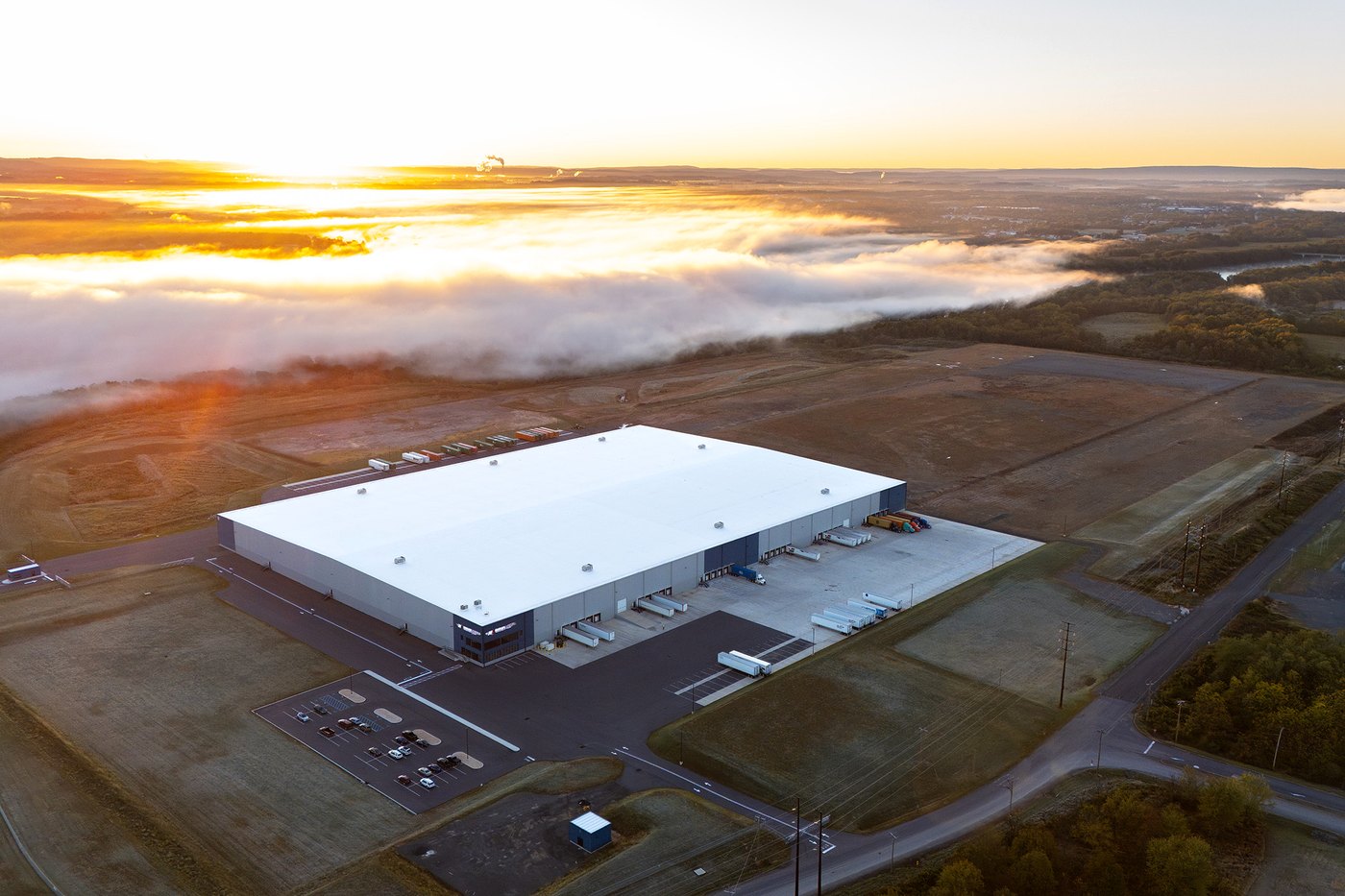
Aerial view of the Moran Logistics warehouse in Allenwood, Pennsylvania at sunrise

Allenwood, PA

Where the shared flow was built.

  • CompanyMoran Logistics
  • Founded1975
  • TypeThree-generation, family-owned 3PL
  • HeadquartersWatsontown, Pennsylvania
  • WMSKörber
  • Buildings on MovoFour

Moran Logistics has been solving supply chain problems since 1975. A three-generation, family-owned and operated 3PL based in central Pennsylvania, the company runs warehouse operations across the state.

Those operations already relied on Körber for inventory. But much of the work surrounding each load still depended on manual coordination. Carrier requests arrived by email, each building kept its schedule in a spreadsheet, and the office and dock traded trailer updates over the radio.

Douglas Kessler, a customer service representative at Allenwood, watched Movo develop alongside that work.

Douglas Kessler working the operations board at a desk in Allenwood
“The team is outstanding. Very knowledgeable, and only a phone call away if you need them. From day one to now, it's incredible how far we came.”
Douglas KesslerCustomer Service Representative, Allenwood

The relationship runs deeper than a typical software rollout. Johnny Moran, Moran's VP of Operations, is also one of Movo's co-founders. From the start, Movo's team worked alongside Moran's operators around live freight, drivers and customers.

What began as a way to connect the work around Körber became a shared operating model. Today, Moran runs that model at York, Williamsport, Allenwood and Watsontown.

The challenge

The work around Körber still depended on manual coordination.

Körber held the inventory data Moran needed. It did not hold the appointment conversation before a truck arrived, the trailer and door movements during the shift, or the operating history a customer might ask for later.

Scheduling depended on people, not a system

Before Movo, carriers emailed Moran for appointment times. A customer service representative read each request, found the order in Körber and entered the appointment by hand. The building's master spreadsheet then became the working view of the day.

The same request moved through several places before the warehouse could act on it, and every change required someone to keep those places aligned.

Every building managed its own version of the day

Each building had developed its own habits around the schedule, the gate and the dock. The process worked locally, but there was no common operating flow the four buildings could share.

Door and yard status traveled by radio

Trailer locations and door assignments moved between the office and the dock through radio calls and the people working the shift. There was no live board both teams could read at the same time.

The shift had to be reconstructed later

When a customer asked about a detention claim or a load that ran long, the answer was not waiting in one record. The team had to piece together what happened from memory.

The solution

How Movo fits into Moran's operation today.

Moran kept Körber as its inventory system. Movo connects to it through one integration and carries the work around each load from the first appointment request through the end of the shift.

Appointment requests become an approved schedule

When a carrier emails for an appointment, Conductor reads the thread, matches the request to the order in Körber and drafts both the appointment and the reply. A customer service representative reviews the proposal before anything is booked.

Once approved, the appointment appears on the building's schedule automatically. The team no longer has to rebuild the same request in a second place.

Check-in begins the same operating record

At the gate, a driver enters the order number they were given. Movo finds the appointment, places the trailer in the yard and starts the clock. The same check-in flow continues overnight.

One board connects the office and the dock

Both teams work from a live view of the doors, trailers, dwell and detention. Instead of calling each movement over the radio, operators update the work from the RF scanners they already carry and the board changes with them.

The record builds as the work happens

Movo keeps the history of the shift as freight moves through the building. When a question comes up the next morning, the team can return to the record instead of reconstructing the day from memory.

From one building to a shared four-building model

Moran introduced Movo at York first, followed by Williamsport. Each facility brought an established way of working, and the early rollouts reflected those local habits.

At Allenwood, Moran's operators and Movo's team settled on one model all four buildings could share. York and Williamsport moved to that model, and Watsontown launched on it from day one without a facility-specific version.

  • Aerial view of the Moran Logistics distribution center in York, Pennsylvania

    York, PA

    First live.

  • Aerial view of the Moran Logistics warehouse in Williamsport, Pennsylvania

    Williamsport, PA

    Second live.

  • Aerial view of the Moran Logistics warehouse in Allenwood, Pennsylvania at sunrise

    Allenwood, PA

    Shared flow built here.

  • Aerial view of the Moran Logistics campus in Watsontown, Pennsylvania

    Watsontown, PA

    HQ. Finished flow from day one.

The results

Moran's teams now work from the same schedule and live dock view.

Since implementing Movo, the work surrounding a load no longer has to be copied from one tool to another or passed between the office and dock by radio. Each approved request builds the schedule, and each update becomes part of the same operating record.

The schedule, doors and trailers are visible together

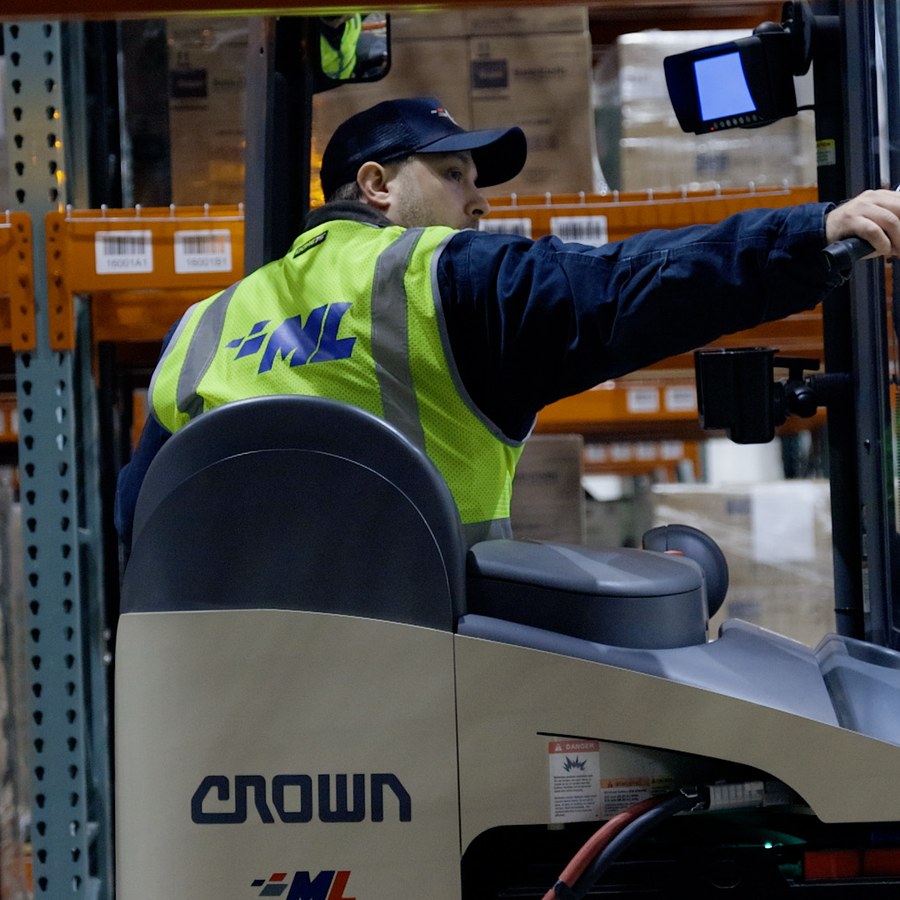
At Allenwood, Warehouse Manager Derrick Guthrie can see the appointment schedule and the current state of the building in one place.

Derrick Guthrie in the cab of a reach truck at the Allenwood warehouse
“The schedule gets built straight from the appointment requests, so we're not keying it in by hand. I can see every dock door and trailer, inbound, outbound, empty, or preloaded.”
Derrick GuthrieWarehouse Manager, Allenwood

Multiple orders can be scheduled in seconds

At York, Customer Service Representative Kimberly Trout works where carrier requests become scheduled appointments. Proposals let her handle a group of orders together while the dock view shows what is happening after they arrive.

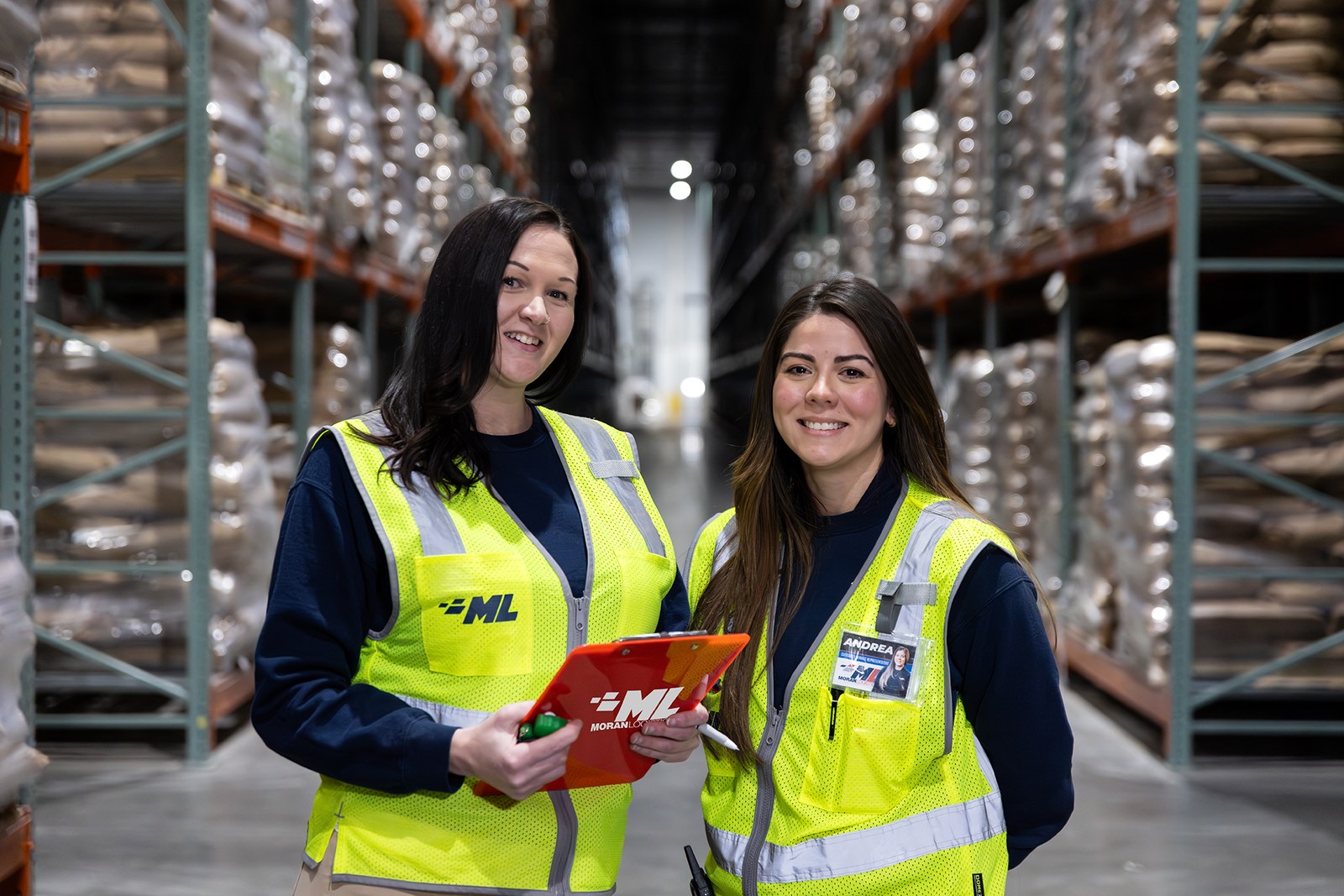
Kimberly Trout, left, with a colleague on the warehouse floor at Moran Logistics
“The dock view gives an advantage to see detention times, late arrivals, and an overall view of the customers we have in doors. The proposal option is amazing, as it schedules multiple orders in seconds.”
Kimberly TroutCustomer Service Representative, York

Conclusion

The work around the WMS now runs as one operation.

For Moran, Movo solved more than an appointment scheduling problem. It connected the requests arriving in customer service to the work happening at the gate, in the yard and on the dock.

Four buildings now use the same operating model while Körber continues to hold inventory. The teams running those buildings can see the day as it happens and return to the same record when a customer asks what happened later.

See how one operating flow connects the whole dock.

A walkthrough covers the appointment book, driver check-in, live operations board and shift record Moran uses across four buildings.